Department of Atmospheric Sciences
Welcome to the Department of Atmospheric Sciences
Why study Atmospheric Sciences at UNC Asheville? Small class sizes, virtually unlimited access to faculty, and a challenging yet rewarding curriculum make UNC Asheville an ideal place to earn your Bachelor of Science in Atmospheric Sciences. You’ll have the chance to learn about the atmosphere and conduct research alongside faculty specializing in severe weather, atmospheric modeling, air pollution, climatology, observations, tropical meteorology, hydrology, and weather unique to Western North Carolina. Asheville is home to NOAA’s National Centers for Environmental Information (NCEI)—one of the most significant environmental data archives on Earth—and UNC Asheville’s National Environmental Mapping and Applications Center (NEMAC). These organizations and nearby National Weather Service forecast offices and television studios offer atmospheric sciences majors unique internship opportunities and career connections. With hands-on laboratory facilities, real-time data analysis, field experiences, and faculty-mentored research, UNC Asheville’s Atmospheric Sciences program provides a strong scientific and liberal arts foundation for graduate study or direct entry into fulfilling careers in meteorology, climatology, and related fields.
Atmospheric Sciences Programs
Atmospheric Sciences Programs
Bachelor of Science or Minor
Do you love to watch the weather or seek to understand our climate? This program combines a solid foundation in mathematics, physics, and computer programming with hands-on meteorology and climate research and forecast experience to explore the forces that shape our atmosphere. A blend of coursework and experiential learning prepares students for rewarding atmospheric sciences-related careers that make a difference in the world.
Major Concentrations

Major Concentrations
UNC Asheville offers multiple pathways for students to pursue a Bachelor of Science in Atmospheric Sciences through three focused, career-driven concentrations. Students can choose from curricula in Weather Forecasting, Climatology, or Broadcast Meteorology, each designed to meet professional guidelines for employment as a meteorologist or climatologist. All concentrations combine scientific rigor with hands-on experience and prepare students to turn their passions for weather and climate into meaningful careers and advanced study.
Career Outcomes

Career Outcomes
With a degree in Atmospheric Sciences from UNC Asheville, you can pursue a wide range of careers that address meteorological, climatological, and environmental challenges. Our three atmospheric sciences major concentrations offer pathways to federal employment, strong preparation for graduate school, and career-readiness skills for private sector and broadcast media positions.
Outside the Classroom
Outside the Classroom
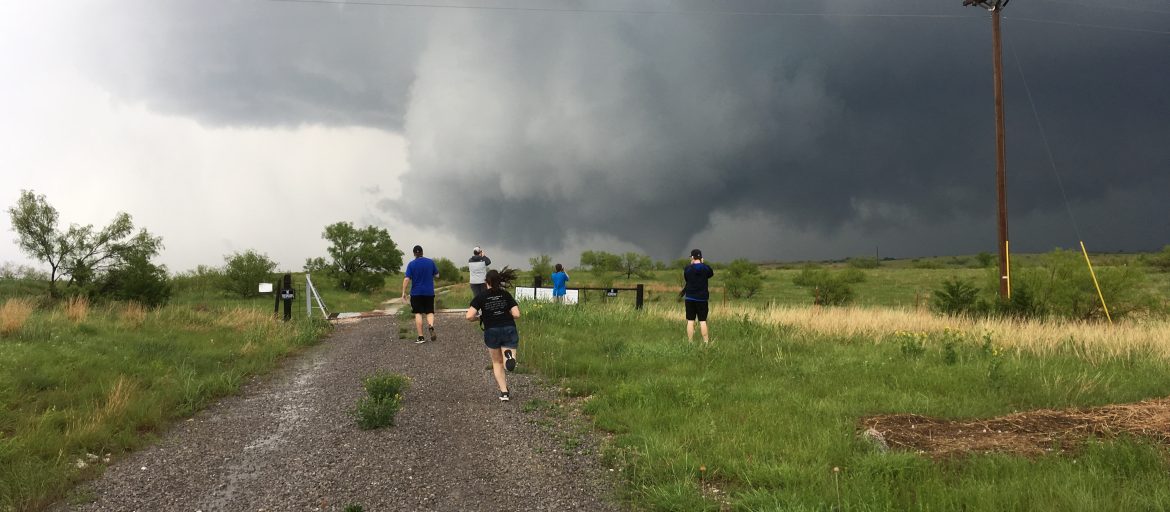
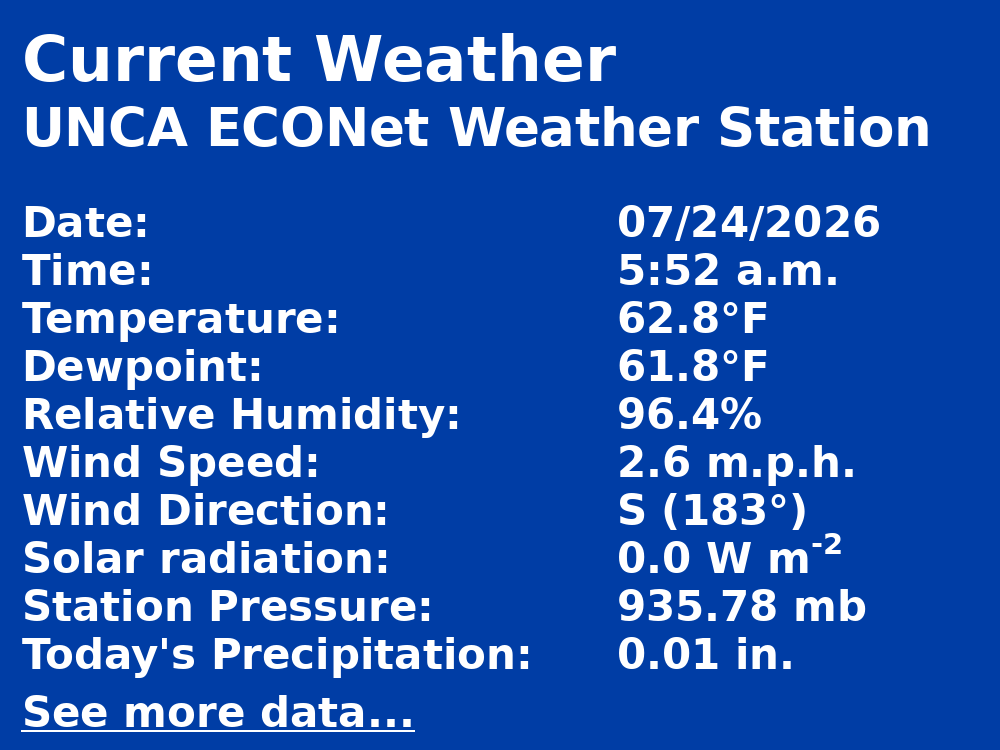
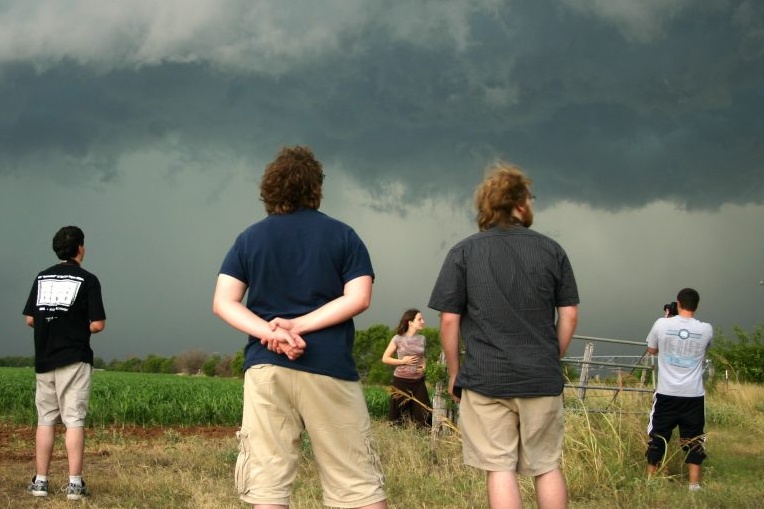
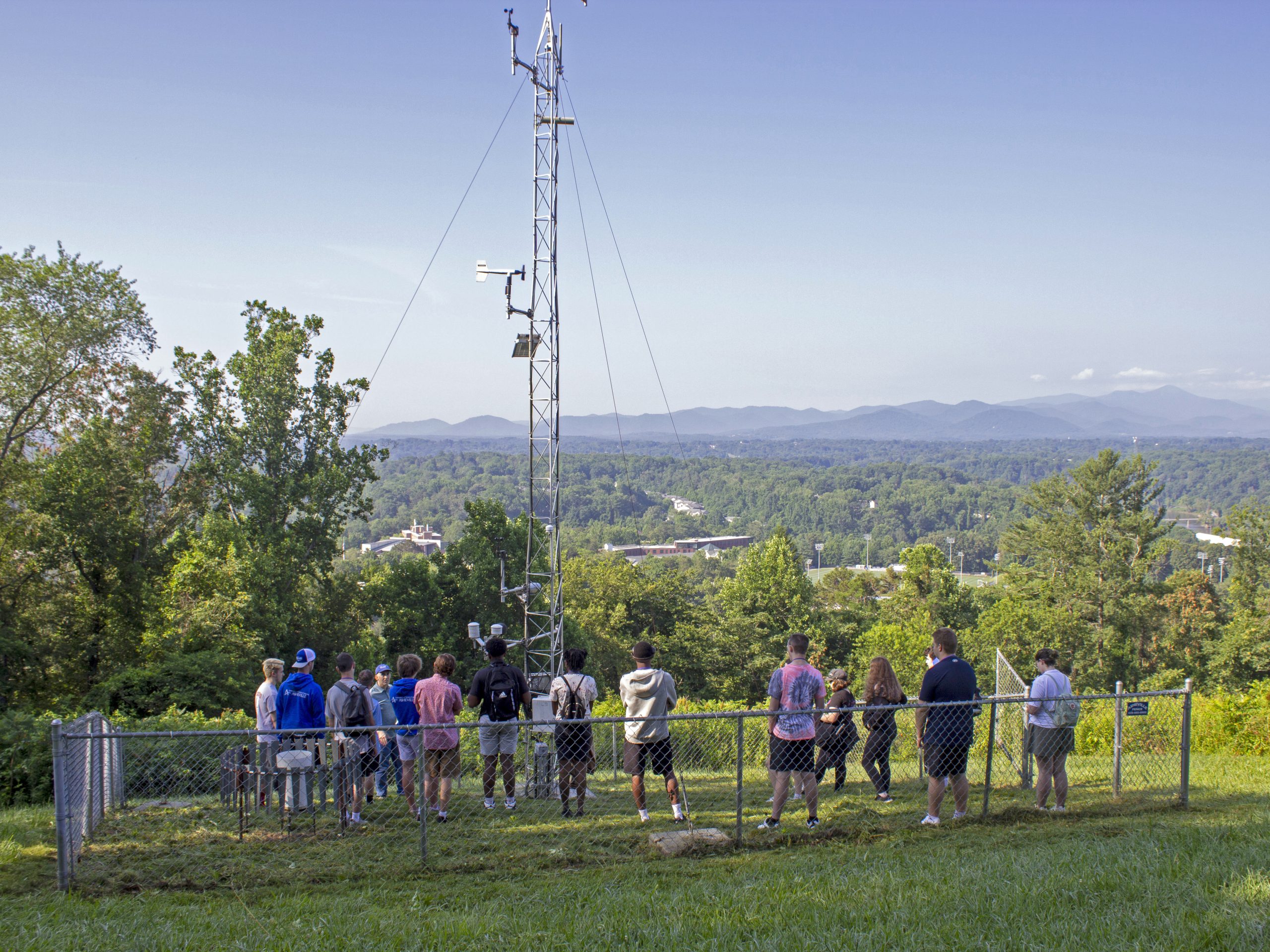
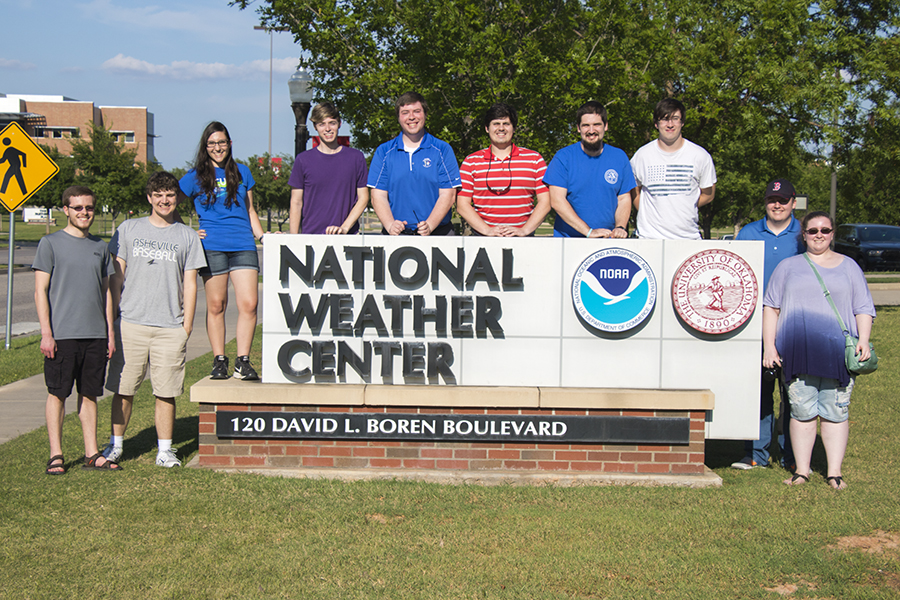
Atmospheric Sciences students launch weather balloons, calibrate remote mountain rain gauges, conduct their own research projects, build weather stations, and participate in many more hands-on learning activities. The Severe Weather Field Experience course takes students to the Great Plains to chase tornadoes as part of a comprehensive career development experience. The department’s weather station, tower camera, and real-time data feed provide access to professional-grade tools. Students learn to collect, visualize, and interpret meteorological data in an environment where classroom lessons come alive and students build both technical skills and professional relationships with regional weather partners.
Scholarship Opportunities
Scholarship Opportunities
UNC Asheville’s Atmospheric Sciences program offers scholarships that ease financial burdens and recognize achievement, including the Kate Sweely Fund and Memorial Scholarship, the Alumni Scholarship, and the Asheville AMS Scholarship, which support needs like textbooks, conference travel, academic excellence, and professional development.
I chose atmospheric science because I was fascinated with severe weather, specifically thunderstorms and tornadoes. Meteorology has been a favorite subject of mine since I was a kid. I decided to learn as much as I could and make a career out of something that I enjoy.
Contact Us
254 Rhoades/Robinson Hall, CPO #2450
One University Heights
Asheville, NC 28804
Email: weather@unca.edu
Main phone: 828.251.6149
Fax: 828.232.5046
Atmospheric Sciences Faculty
The Atmospheric Sciences program at UNC Asheville offers students direct and consistent access to faculty mentors. Small class sizes foster close collaboration, personalized instruction, and meaningful engagement with nationally recognized professors who are deeply committed to undergraduate education. Faculty emphasize hands-on learning, real-world application, and individualized support, creating an environment where students are encouraged to explore, ask questions, and succeed both inside and outside the classroom.
Christopher Godfrey, Ph.D.
Professor and Chair of Atmospheric Sciences
Office: 253 Rhoades/Robinson Hall
Phone: 828.232.5160
Email: cgodfrey@unca.edu

Douglas Miller, Ph.D.
Professor of Atmospheric Sciences
Office: 250 Rhoades/Robinson Hall
Phone: 828.232.5158
Email: dmiller@unca.edu

Caitlin Cook, Ph.D.
Assistant Professor of Atmospheric Sciences
Office: 251 Rhoades/Robinson Hall
Phone: (828) 250-3888
Email: ccook15@unca.edu

Sharon Withrow
Department Assistant for Atmospheric Sciences, Department Assistant for Chemistry & Biochemistry
Office: 102 Zeis Hall
Phone: 828.251.6443
Email: swithrow@unca.edu

Elaine Godfrey, Ph.D.
Adjunct Professor of Atmospheric Sciences
Office: 257 Rhoades/Robinson Hall
Phone: 828.232.6617
Email: egodfrey@unca.edu

Meghan Danahey
Adjunct Professor of Atmospheric Sciences
Office: 257 Rhoades/Robinson Hall
Email: mhodge@unca.edu

Tim Owen
Adjunct Professor of Atmospheric Sciences
Office: 257 Rhoades/Robinson Hall
Email: towen@unca.edu


Ready for What's Next?
Our Bachelor of Science in Atmospheric Sciences gives you a comprehensive education in real-world contexts and applications of the discipline. Your liberal arts education is enriched by hands-on learning experiences and three specialized concentrations, allowing you to delve deeper into your passions and prepare for your career.