Study Abroad Programs
How Will You Study Abroad?
Ready to see the world? However you want to get there, we’ve got a way to make it happen. Study alongside local students through an Exchange program, travel with UNC Asheville faculty on a Faculty-Led trip, plug into a global network of universities through ISEP, or lean on an Affiliate provider for extra support every step of the way. Explore the options below to find your fit. Whatever your budget, timeline, or comfort level, there’s a path here that fits.
Exchange Programs
Want a truly immersive way to experience another culture? Exchange programs let you enroll directly at a partner university overseas, taking classes and building friendships alongside local students.
They’re also one of the most budget-friendly ways to travel abroad. If you pay in-state tuition, you’ll continue paying your regular UNC Asheville tuition and fees, and you stay eligible for your institutional financial aid. Housing and meals abroad are typically comparable to costs on campus, and scholarships can help cover airfare and other travel expenses.
One thing to check before you commit: exchange partners operate on their own academic calendars, so confirm that your host university’s semester dates align with UNC Asheville’s before you apply.
UNC Asheville partners with the following universities for bilateral exchange programs.
Asia




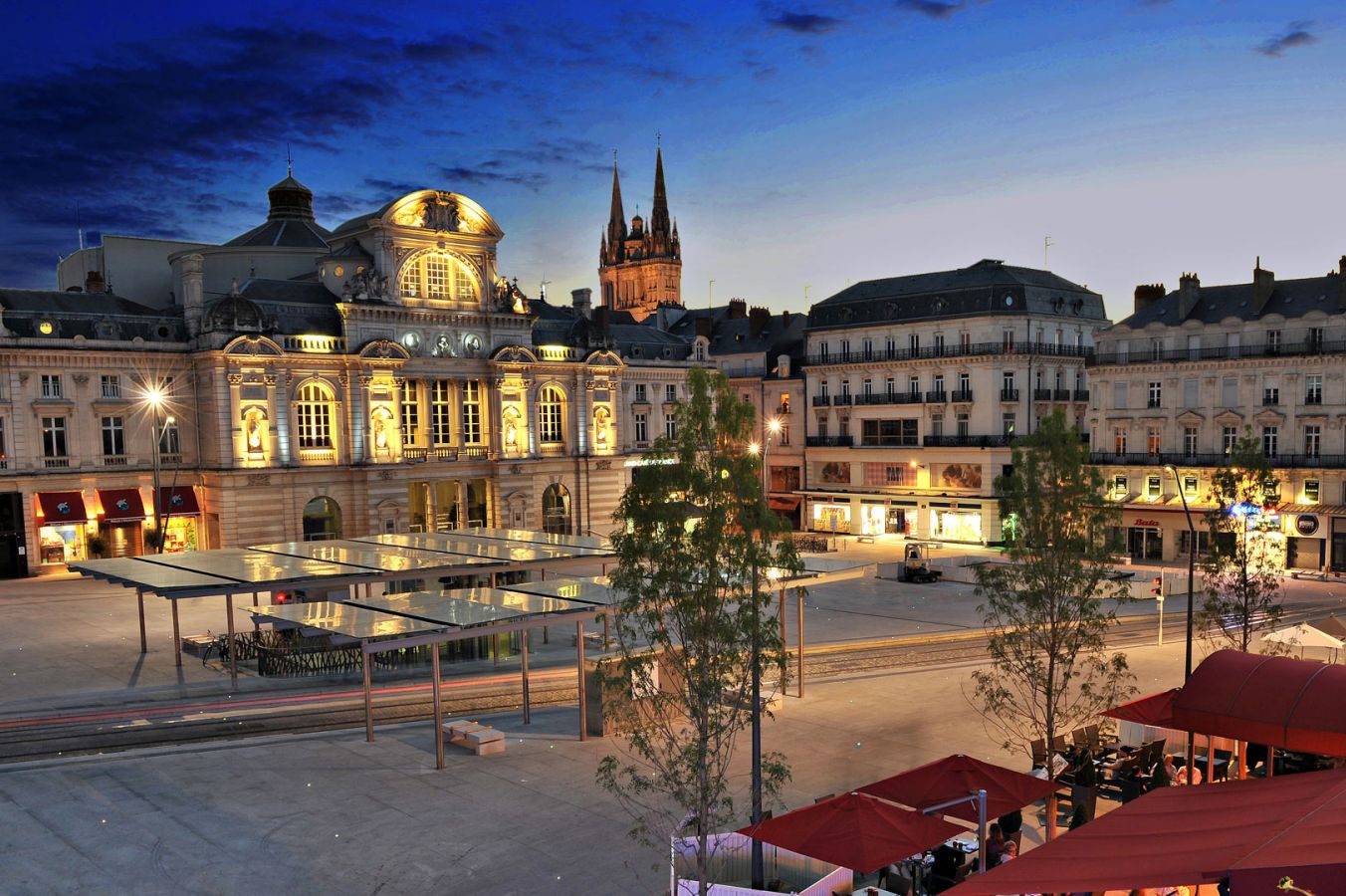
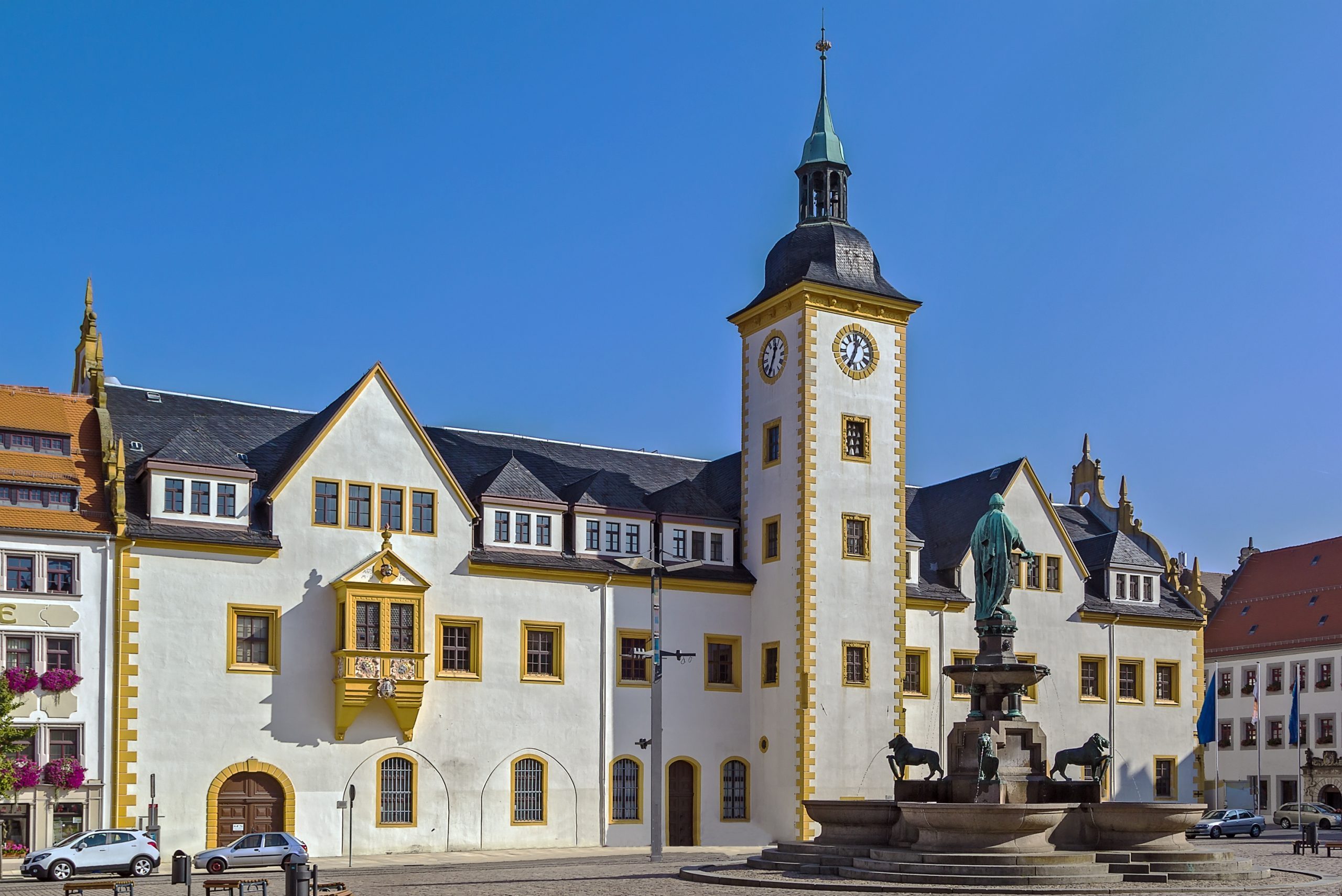
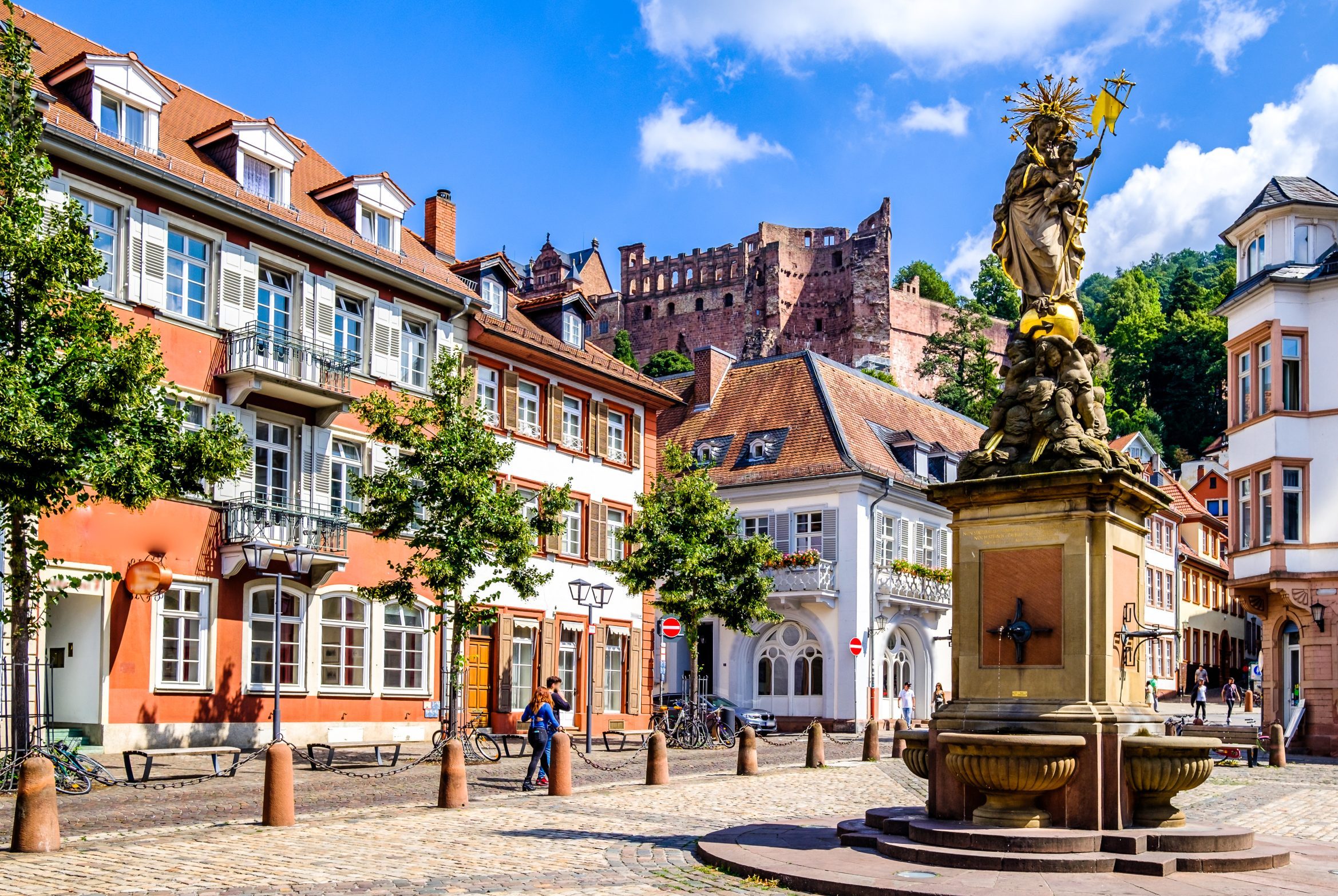
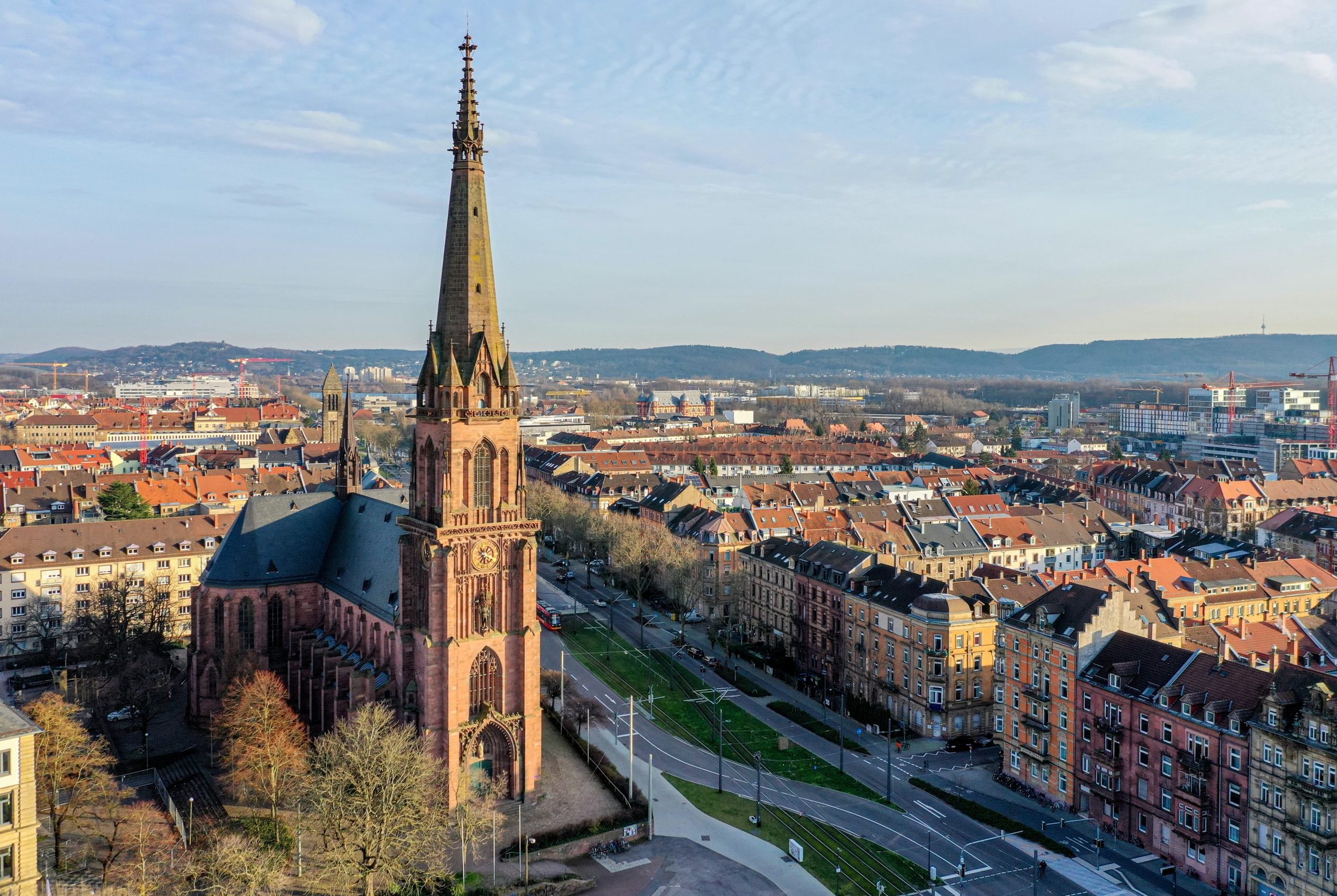
Europe



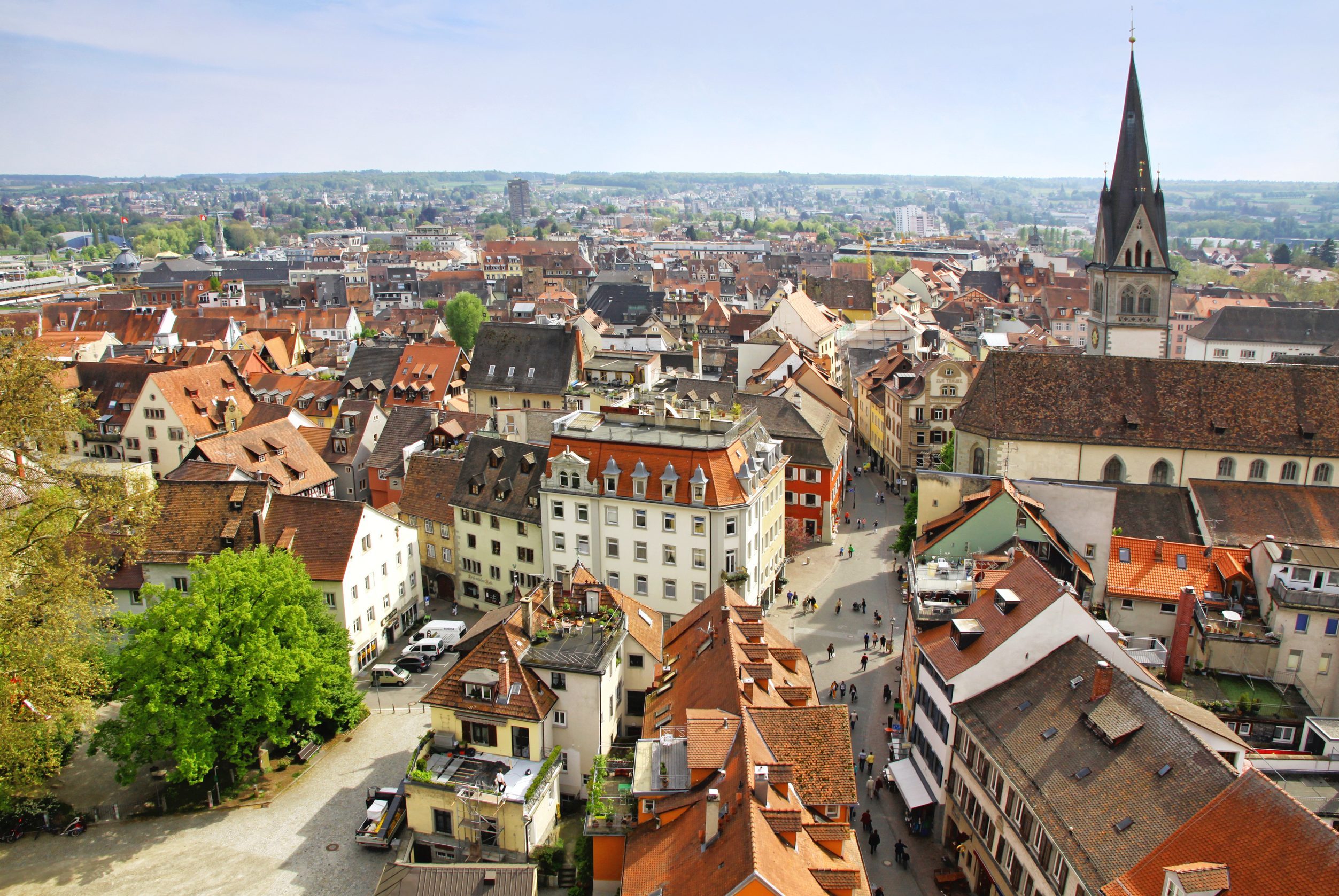
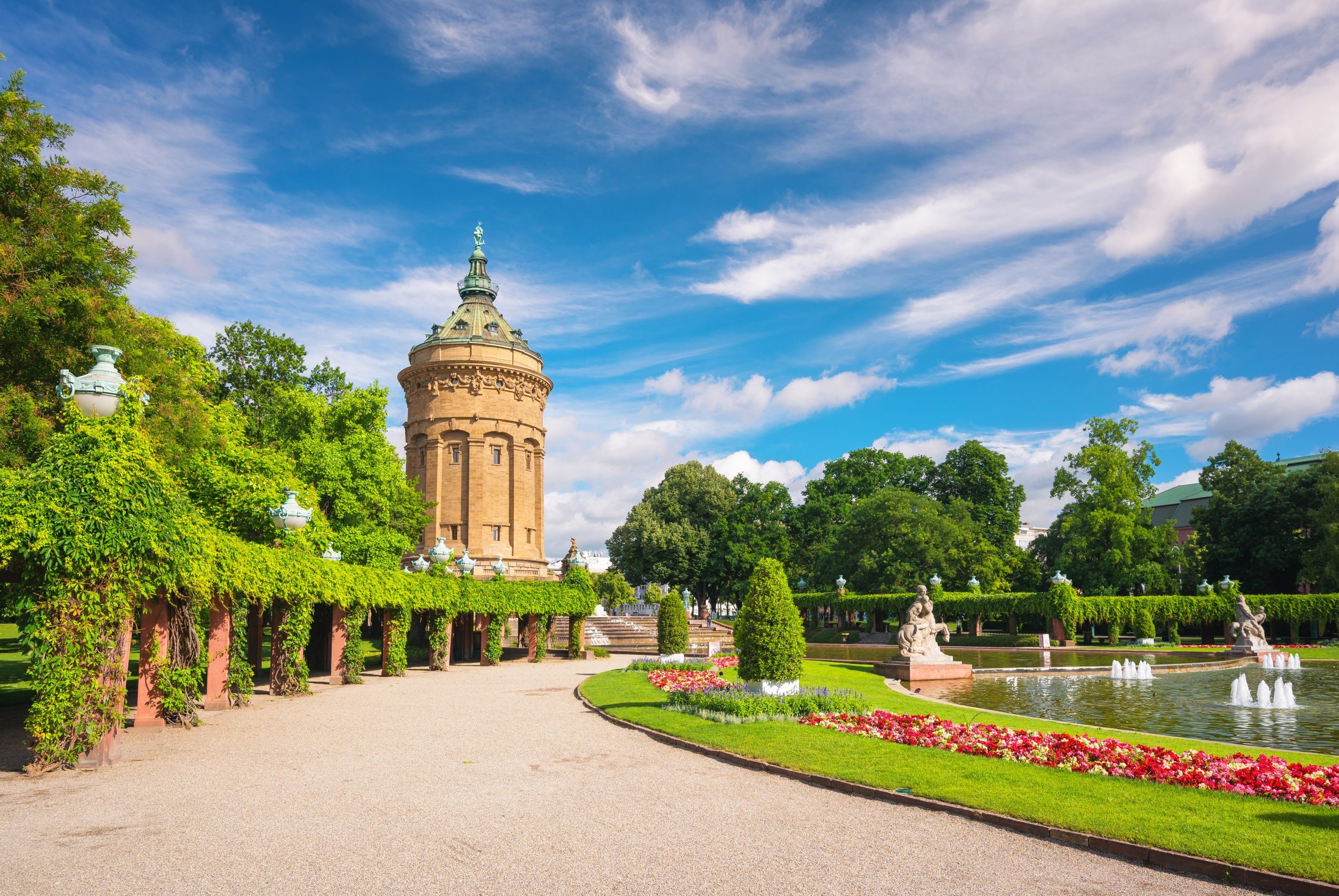

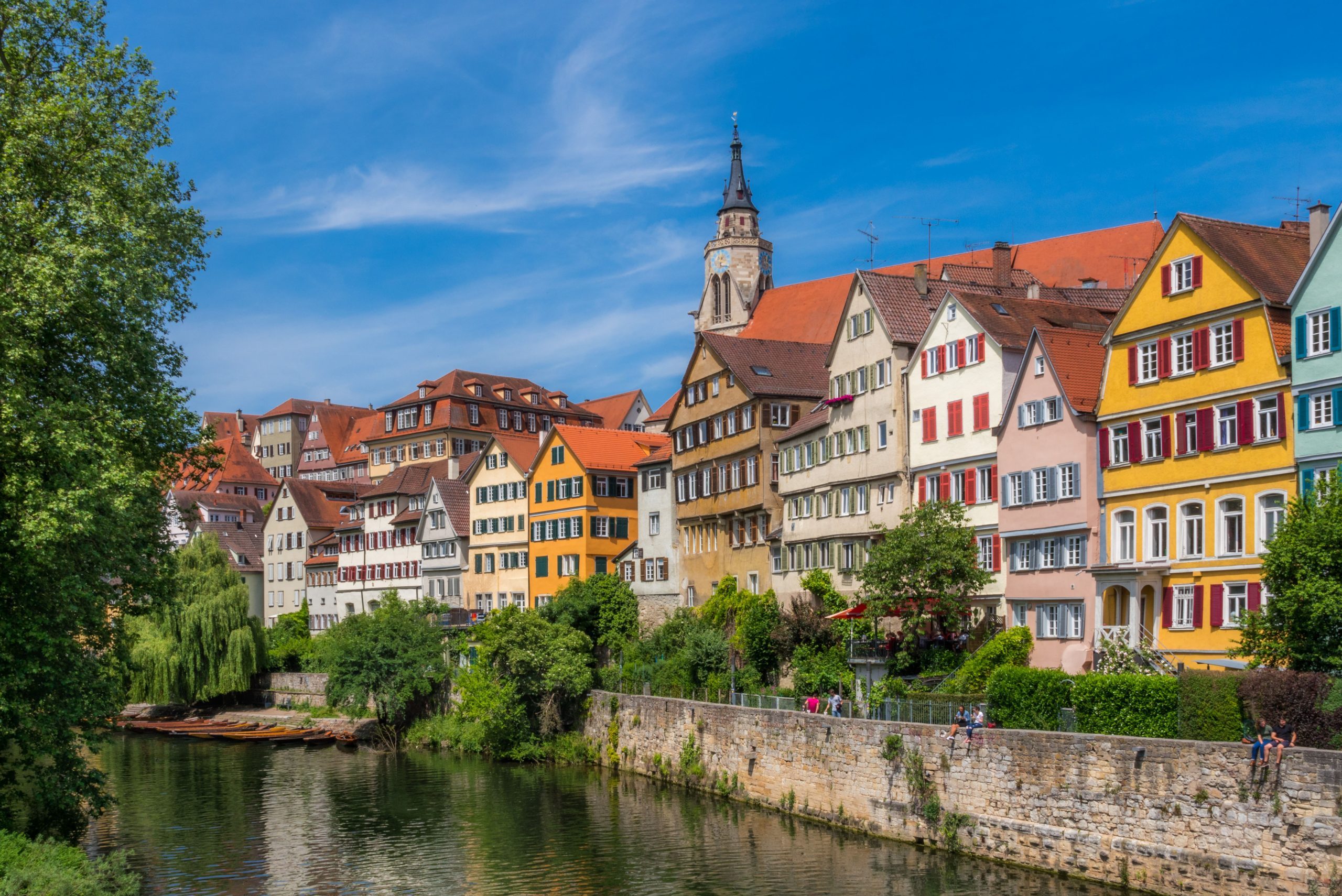
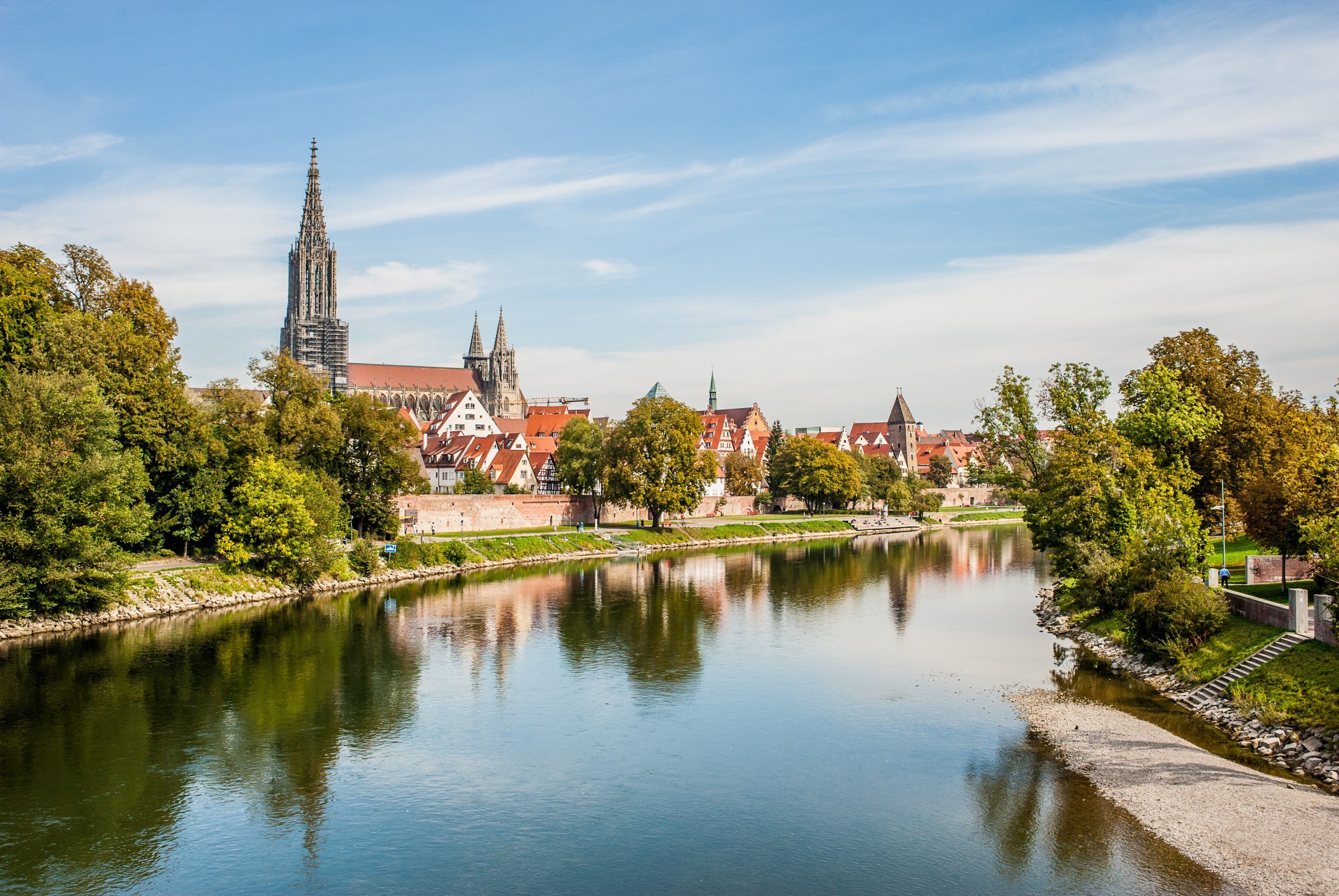
Summer Exchange Programs

2026 – 2027 Faculty-Led Programs
Want to study abroad without leaving your UNC Asheville community behind? Faculty-led programs bring UNC Asheville courses to you and are taught partially or entirely abroad by your own professors, alongside your own classmates. With a structured itinerary of group activities built around the curriculum, these programs are ideal if you want the reassurance of traveling with a familiar group, prefer a set schedule over open-ended exploration, and want a shorter trip that fits neatly into a semester break.
In recent years, UNC Asheville faculty have led programs to Greece, Italy, Ecuador, Ireland and Northern Ireland, Japan, South Korea, Taiwan, Hong Kong, Amsterdam, Rotterdam, and Berlin — and many of these destinations repeat every other year, so if one catches your eye, there’s a good chance it’ll come around again.
Financial aid can often be applied toward these programs, as long as you have aid eligibility left that you haven’t already used for fall and spring, and you’re enrolled full-time for the term the program runs in. Contact the Study Abroad Office to talk through the details for your situation.
Japan
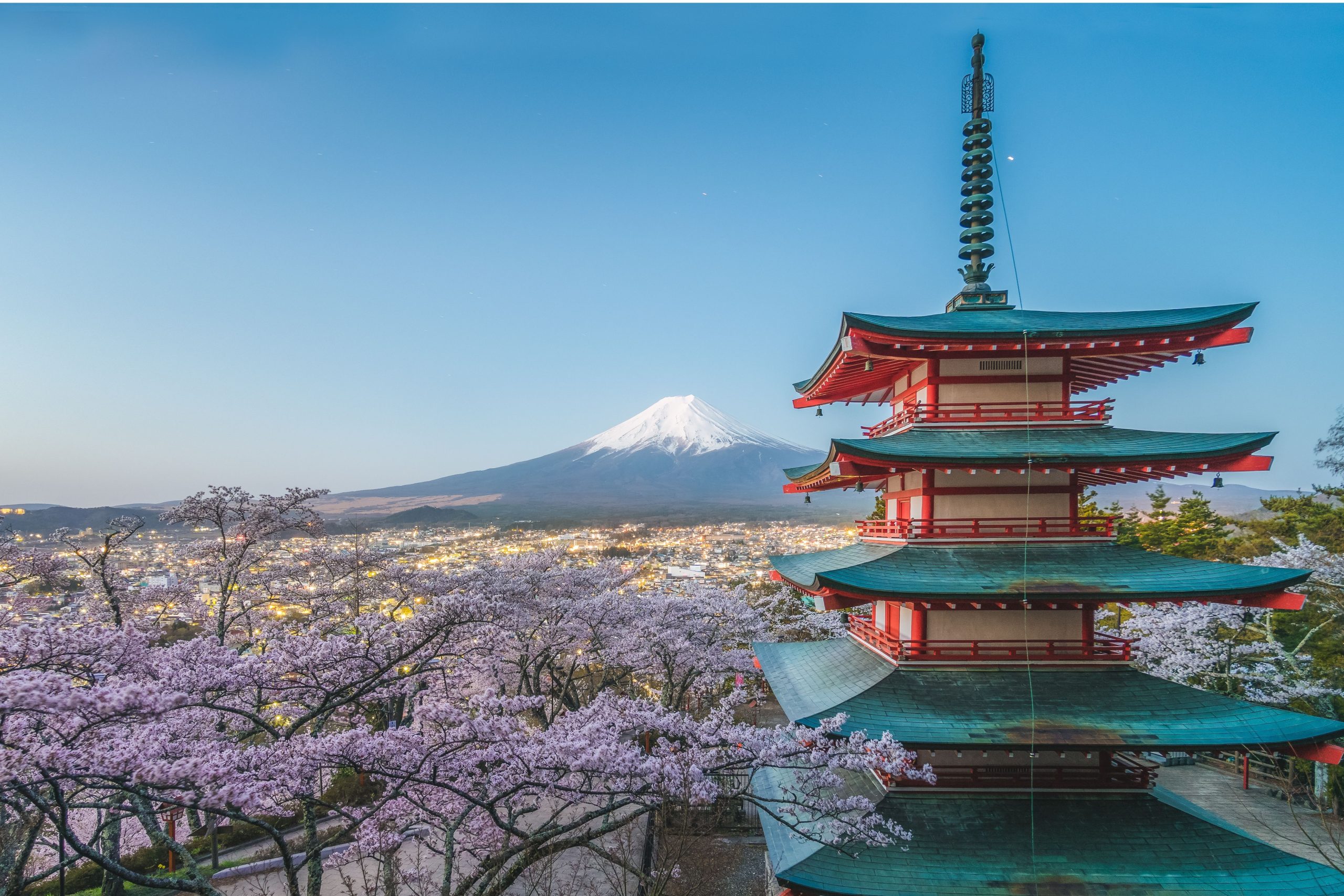
Immerse yourself in Japanese culture while exploring the connections between tradition, identity, and modern life. Through local interactions, cultural activities, and hands-on experiences, you’ll engage with Japanese communities and experience traditional arts, crafts, food, festivals, temples, and everyday life. In NM 374: ST: ARTS: Tradition and Innovation: Japanese Culture Through Artistic Expression (4 credits), you’ll explore Tokyo’s role as a center of Japanese arts and culture, examining the relationship between traditional arts, design, technology, and popular culture through on-site research. In ASIA 374: ST: ARTS: Kyoto: History, Culture, and Religions (4 credits), you’ll explore Kyoto’s history, culture, and religions through firsthand experiences with shrines, temples, festivals, food, arts, crafts, and daily life.
Panama
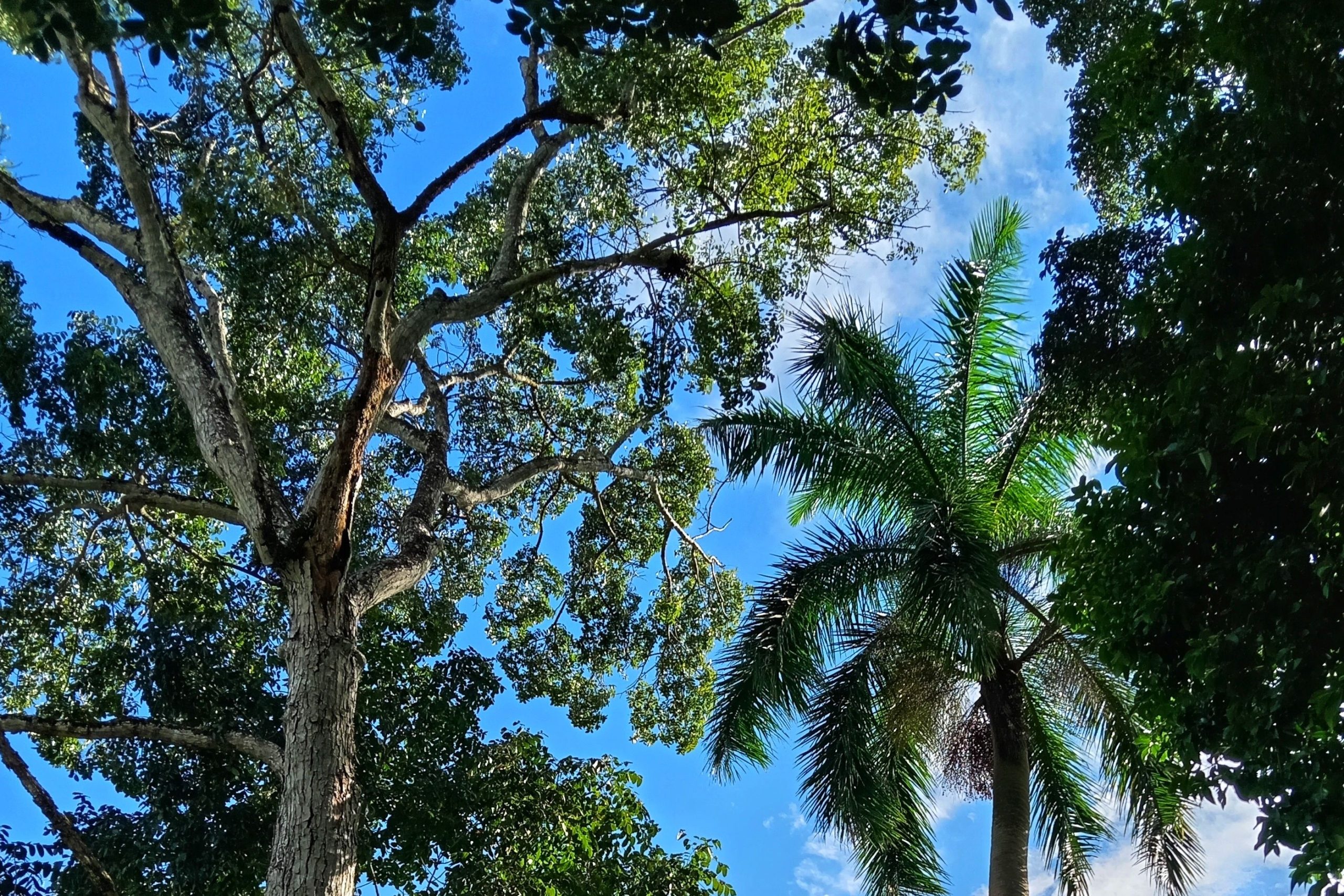
Explore Panama’s tropical ecosystems through a combination of field-based science, nature writing, and cultural reflection. You’ll study the ecology of the Neotropics while experiencing firsthand the biodiversity and environments that have shaped modern ecological research. In BIOL/ENVS 374: Special Topics: Ecology of the Neotropics, you’ll examine tropical ecology and participate in field-based research, connecting ecological theory to Panama’s unique natural environments. In ARTS 310: Nature’s Diary: Writing and Journaling in Nature, you’ll use writing and journaling to observe, reflect on, and creatively engage with the natural world while considering the history of how Americans and Europeans have explored and studied tropical environments.

Ireland
Experience Ireland beyond the classroom by learning directly from its history, culture, art, and people. Visit iconic sites such as Kilmainham Gaol, the Titanic Museum, and the Giant’s Causeway, along with museums and national parks, and connect what you learn in class to the places where history and social change unfolded. Through ARTS 310: The Art of the Travelogue, you’ll create multimedia travelogues, including videos, podcasts, and photo essays, that combine artistic expression with cultural and historical research. In SYS 478: Ireland: From Revolution to Reconciliation, you’ll explore Ireland’s political and social history and examine the complex relationship between the Republic of Ireland and Northern Ireland. You’ll also connect historical events to contemporary issues such as LGBTQ+ rights, immigration, economic development, and sustainability.
Amsterdam and Berlin
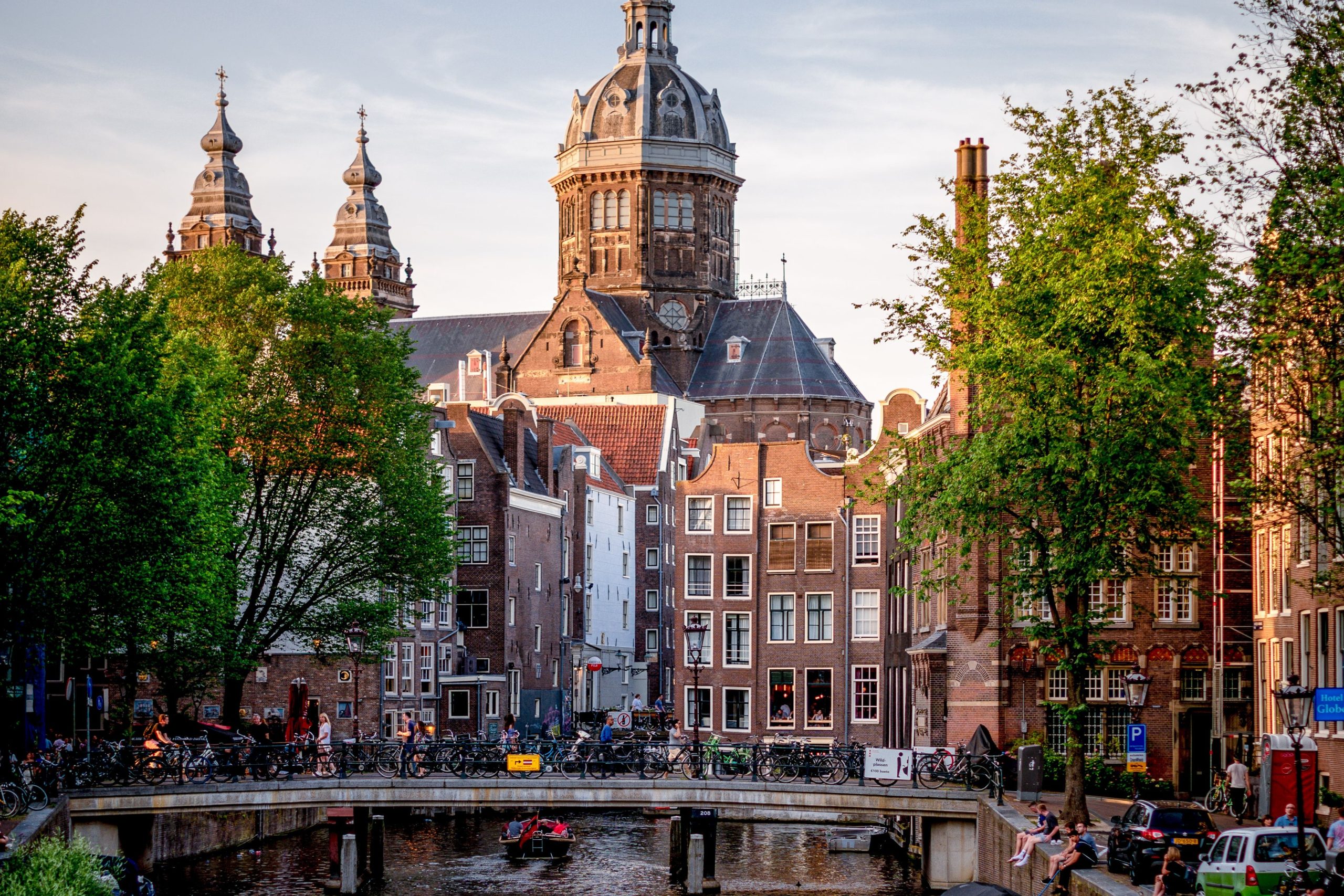
Explore the cutting edge of new media art and technology in two of Europe’s most influential creative cities. Through immersive experiences in Amsterdam and Berlin, you’ll examine cinema, video art, photography, computer-generated art, internet art, experimental music, and other emerging forms of artistic expression. In NM 374, you’ll investigate contemporary new media art and the creative communities shaping artistic innovation in Amsterdam and Berlin. In NM 474: Studio, you’ll build on your research through hands-on creative work, connecting new media concepts with your own artistic practice. The program includes visits to digital art museums, galleries, media art festivals, and cultural landmarks, providing opportunities to experience new media art in the places and communities where it is being created. Living temporarily in Amsterdam and Berlin also provides firsthand opportunities to develop intercultural communication and cultural awareness by navigating unfamiliar environments, social norms, and artistic communities.
Croatia
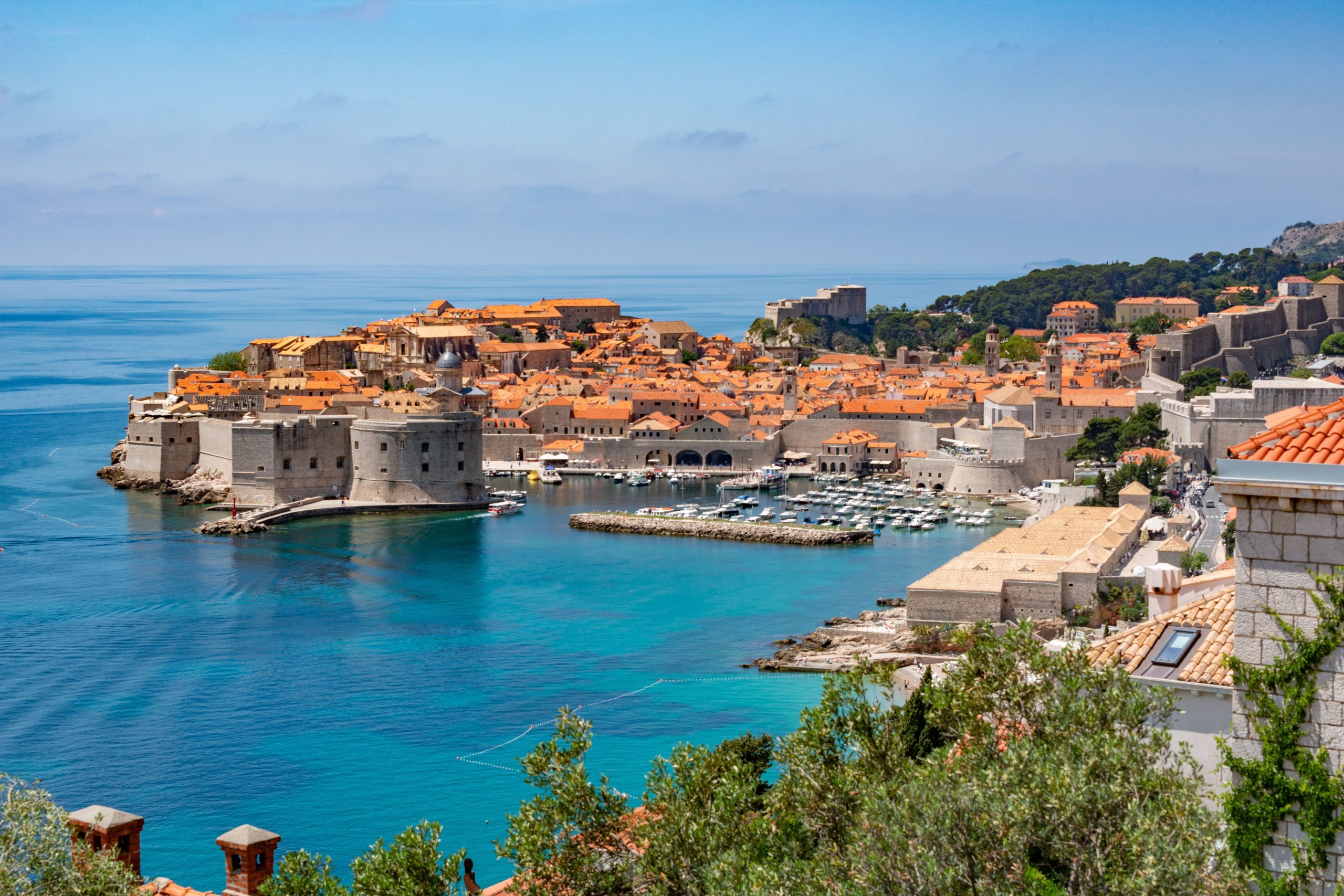
Explore how European economic integration, tourism, housing, and urban development shape communities across Croatia. As the newest member of the European Union, Croatia provides a unique setting to connect economic theory with real-world changes in trade, investment, infrastructure, housing, and tourism. In ECON 474: Economics of European Integration (4 credits), you’ll examine how EU membership influences trade, foreign investment, labor mobility, supply chains, and economic development. Site visits in Zagreb, Rijeka, Split, and Dubrovnik will connect these concepts to financial institutions, port activity, agriculture, tourism, and regional development. In ECON 374: Housing, Infrastructure, and Urban Development (4 credits), you’ll explore housing affordability, transportation, land use, infrastructure, tourism, and urban change. You’ll examine Croatia’s transition from a socialist housing system to a market-based economy and investigate how tourism and development affect communities in cities such as Split, Dubrovnik, Zagreb, and Rijeka.
France
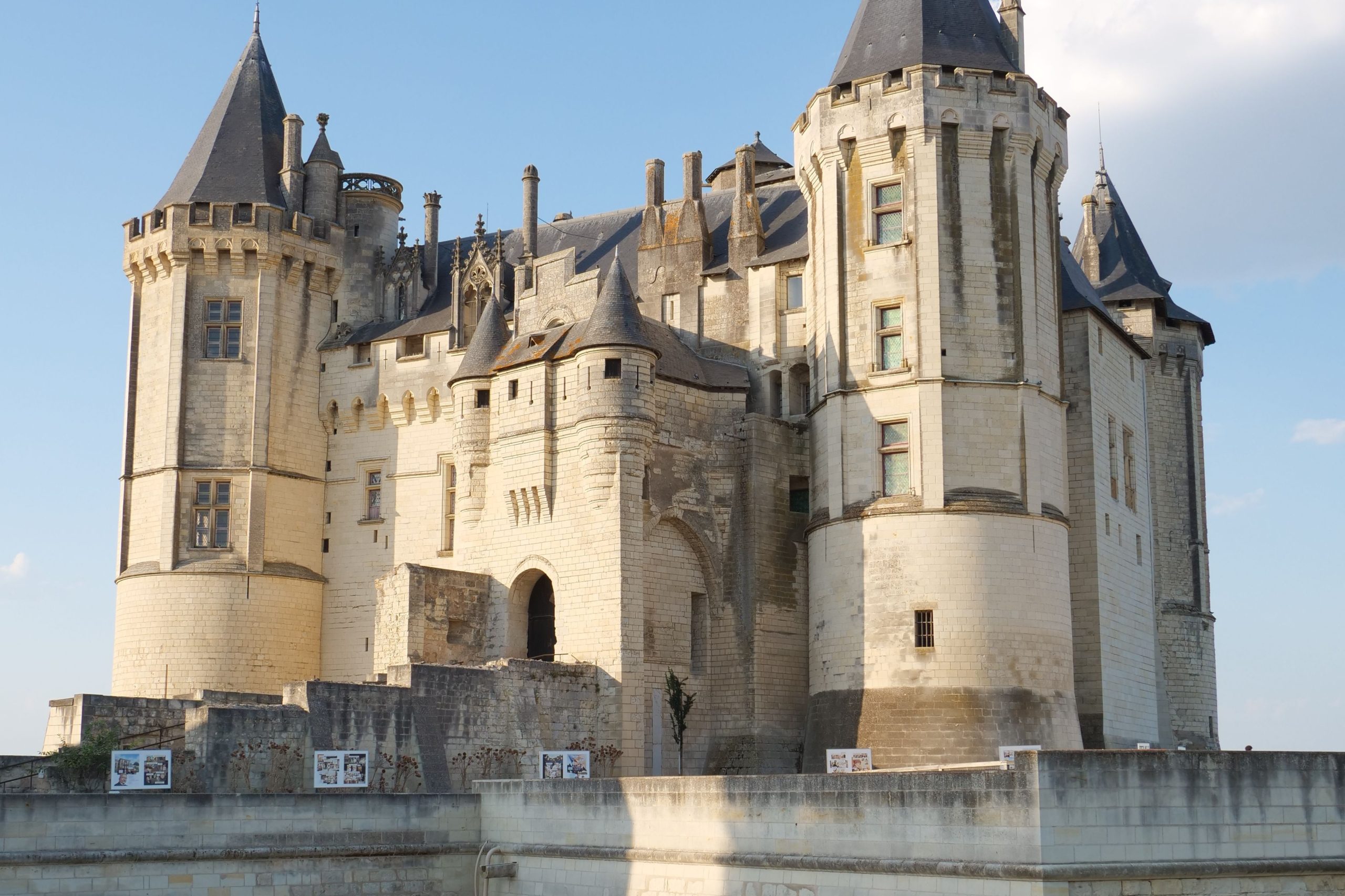
Immerse yourself in French language and culture while developing your communication skills through everyday experiences in France. The program combines French language study with exploration of French society, allowing you to connect what you learn in class with the culture and communities around you.
Choose the language course that matches your experience level:
FR 174: French Immersion for Beginners– Build foundational French language skills through an immersive experience.
FR 274: Intermediate French Immersion – Strengthen your French communication skills and expand your ability to engage in everyday situations.
In addition, all students will enroll in ARTS 310: French Society—Past, Present and Future, exploring French society and its development while considering contemporary issues and France’s future. By combining language immersion, cultural learning, and firsthand experience, this program gives you the opportunity to develop practical French skills and a deeper understanding of French society in a way that extends beyond the traditional classroom.
Previous Faculty-led Programs
France and the Joie de Vivre
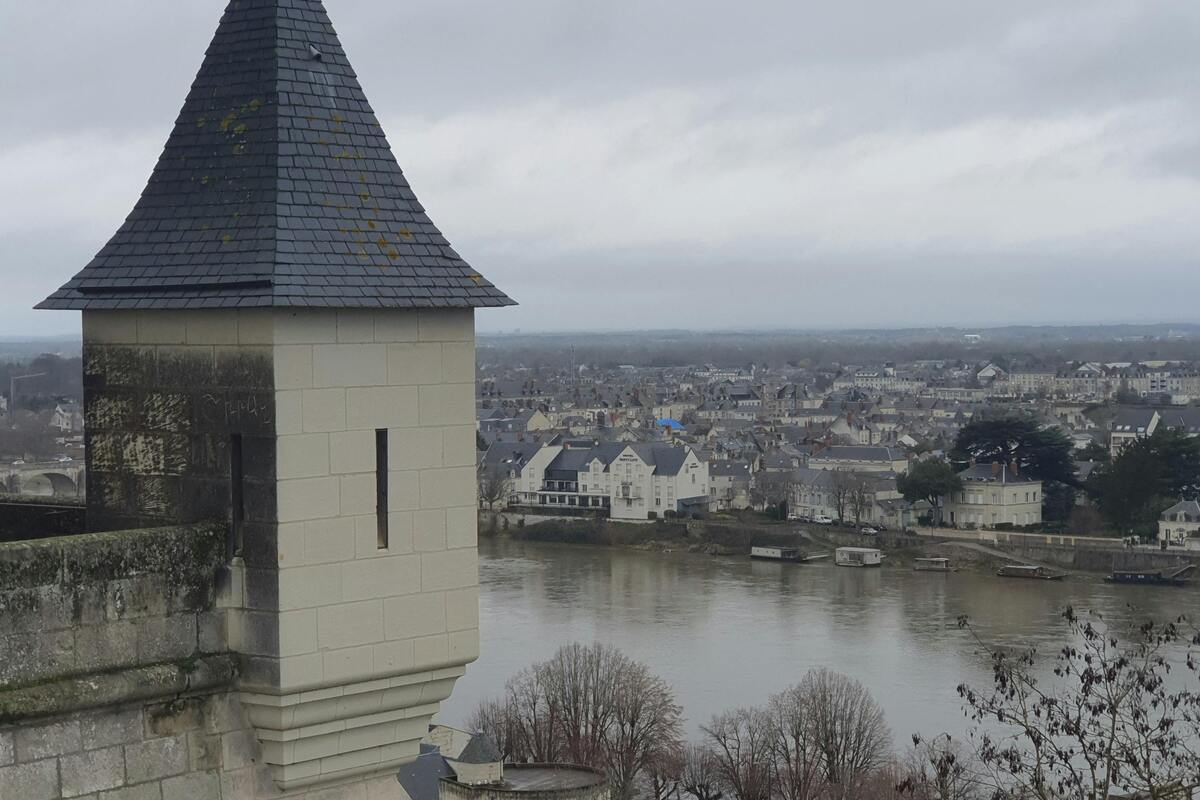
Through this study abroad program, UNC Asheville students will be challenged to reconsider the ways they see their world and to better understand the ways they think about self and others. Furthermore, they will observe and experience the French joie de vivre, the art of living where one finds joy in the quotidian. Slowing down to enjoy meals, connecting with new friends, admiring architectural wonders, pondering cultural practices, feeling the presence of nature . . . all of these are simple ways to live this joie. Experiencing it, we believe, can enhance one’s approach to life by encouraging presence, gratitude and contentment, values that are fundamental to well-being and one’s ability to thrive in any context.

London, Edinburgh, and Glasgow
This study abroad program combines ARTS 310 and Humanities credit to bring a critical analysis to the historic relationships between Great Britain and Scotland from the mid-20th century forward. A key component of Humanities is studying the political, economic and cultural spaces of empires as well as the challenges to colonial epistemologies. HUM 414 also highlights the cultures of opposition that challenged colonial and imperial domination. ARTS 310 examines “the significance of the arts in the human experience, the cultural context of creative composition and performance, the foundations of aesthetic values, and the communicative function of the arts” in the context of the United Kingdom.
Sustainability and Community in Costa Rica
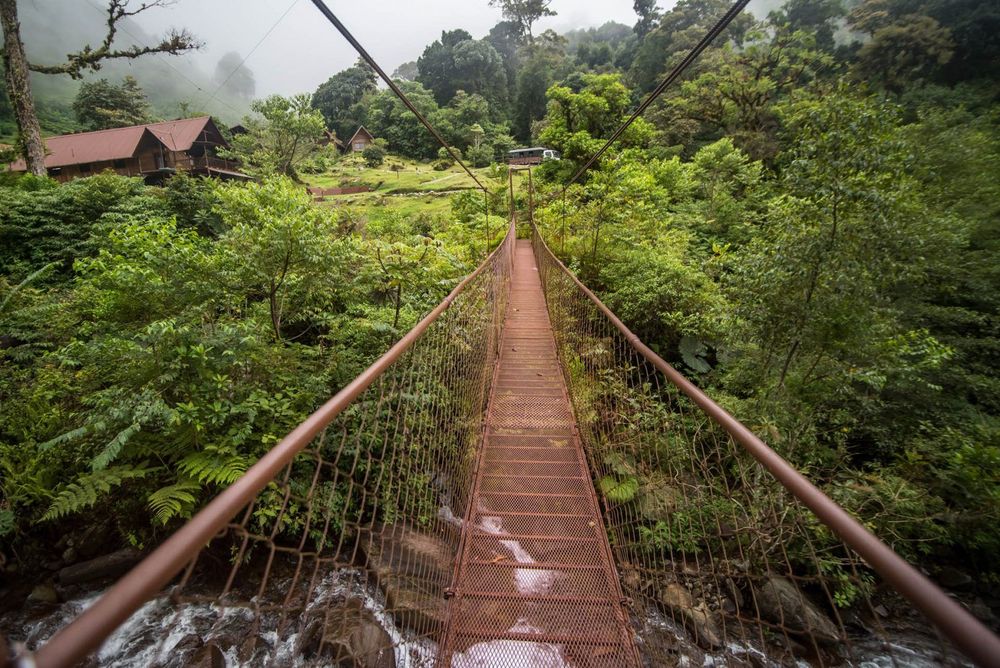
This program takes place in Atenas, Costa Rica and neighboring areas for intensive language, culture, and sustainability studies. Students will have a home stay experience with local families where they can make close and meaningful connections. During most days, students will have language instruction, community service and/or engagement, excursions to sustainable farms and renewable power plants, classes with locals on Costa Rican cooking and dance, as well as many opportunities for students to spend time getting to know local Ticas (people from Costa Rica). Students will have ample time to engage with experts involved in sustainability efforts related to subjects from volcanology and geothermal energy to blue zones. We will explore what makes Costa Rica the healthiest and happiest places on earth.
Paris, London and Berlin
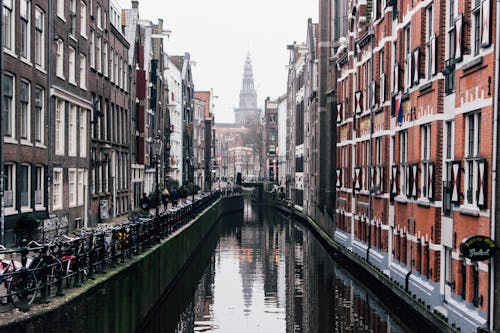
While designed with new media students in mind, the core of this program is intrinsically interdisciplinary and translates easily to students in multiple disciplines. In NM374 Studio (4CR), students focus on rendering experiential research as creative media projects. The companion course, NM 474 (4CR), a special topics in media course and is comprised of relevant theoretical readings and resultant research designed to inform and support the studio section of the trip.
International Student Exchange Program (ISEP) Exchange and Direct Programs
ISEP Exchange Programs
Through ISEP (the International Student Exchange Program), you’ll live and study alongside local students at a university abroad, which is a genuinely immersive way to experience another country. For in-state tuition students, it’s also one of the more affordable ways to go: you pay your usual tuition, housing, and meal costs to UNC Asheville, and receive comparable courses and accommodations at your host university in return. Financial aid typically applies as long as your courses count toward your degree, which means your total cost often ends up close to a semester on campus. Scholarships may be available to help cover airfare and other travel expenses.
One thing to plan for: ISEP Exchange applications ask you to list several possible host universities, not just one, and your first choice isn’t guaranteed. It’s worth researching a handful of destinations and working through course equivalency planning for each of them, so that wherever you land, your semester still counts toward your degree.
ISEP Direct Programs
ISEP also offers a second track: ISEP Direct. Instead of an exchange agreement, you pay program costs directly to ISEP, and pricing varies by destination. But Direct comes with a real advantage — guaranteed placement. As long as you meet the minimum academic and program-specific requirements, your spot is confirmed, with no waiting to see which host university you’ll land at. That also means you don’t need to list backup options on your application; if you meet the requirements for your chosen program, you’re in.
So, when reviewing ISEP programs, pay special attention to whether the program is listed as “ISEP Exchange” or “ISEP Direct,” as these program types have different costs and requirements.
UNC Asheville students have access to both ISEP Exchange and ISEP Direct.
Hear From Students Who've Done It
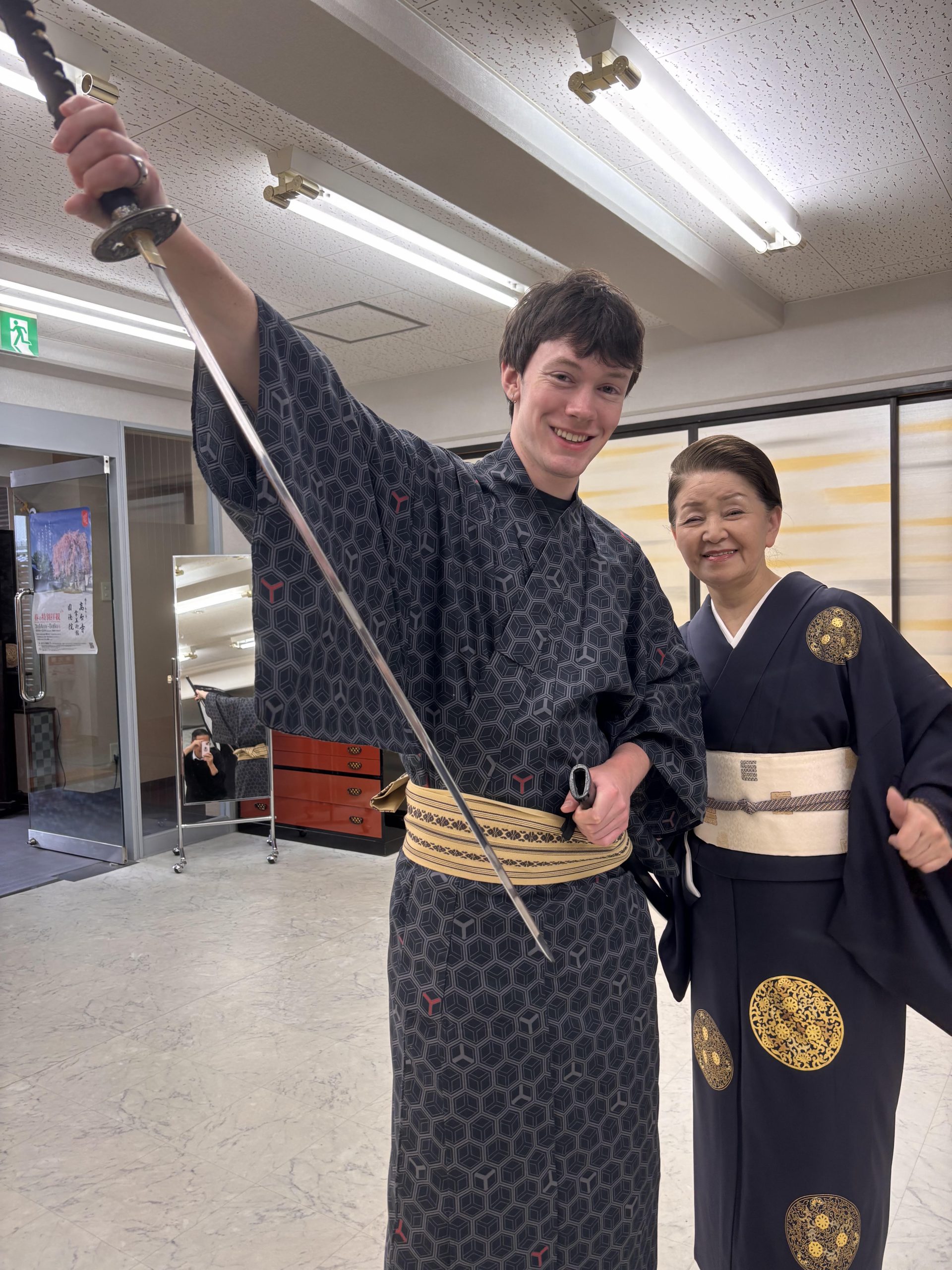
My Faculty-Led experience in Japan was a once-in-a-lifetime opportunity, and the trip’s short length gave me flexibility without sacrificing my educational or personal goals. I made friendships with students at UNC Asheville that will last forever, all while exploring shrines, temples, and cities we studied in class. I would never have had the chance to have an experience so fun and transformative if it weren’t for the amazing faculty who led my trip and the staff at the Office of Study Abroad who made it all possible!"
Through my exchange program as well as additional travel around Thailand and surrounding countries, I was able to meet so many students, backpackers, expats, and people from different countries, backgrounds, and cultures which I would be much less likely to encounter and interact with back home. I made some of my best friends who I can now visit all over the world and got to explore some of the most beautiful and diverse natural landscapes that the earth has to offer.

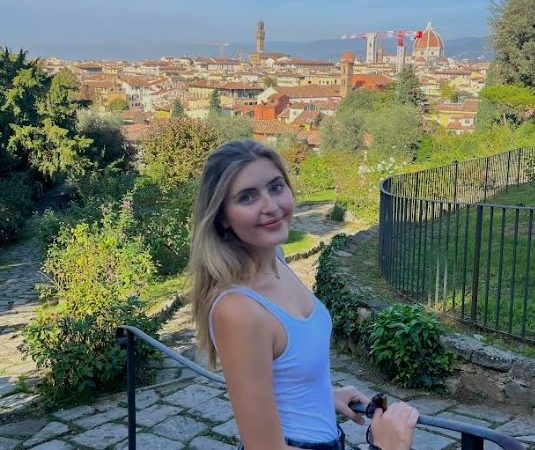
During my time abroad, I took classes taught in Spanish at Universitat de Barcelona. I primarily took elective courses like art and history taught by local Catalan professors in Spanish. Because Barcelona has such a large international population, I had the opportunity to not only connect with Catalan students but an array of people from across different parts of the world. Walking everywhere throughout the city and navigating the metro from my local neighborhood became an enjoyable part of everyday life that allowed me to explore the city. The accessibility of traveling to other countries within the EU was also a wonderful part of my experience.
Take Your College Experience to the Next Level
100 Ramsey Library, CPO 1560, One University Heights, Asheville, NC 28804
Study Abroad Advising walk-in hours are Tuesday and Thursday from 1:00 p.m. – 3:00 p.m. Additional appointments and meetings can be scheduled via email.